Public Transport Strategy for 2026–2036
Highland councillors have approved an ambitious new Public Transport Strategy for 2026–2036, setting out a long-term vision to improve connectivity, accessibility and sustainability across the region.
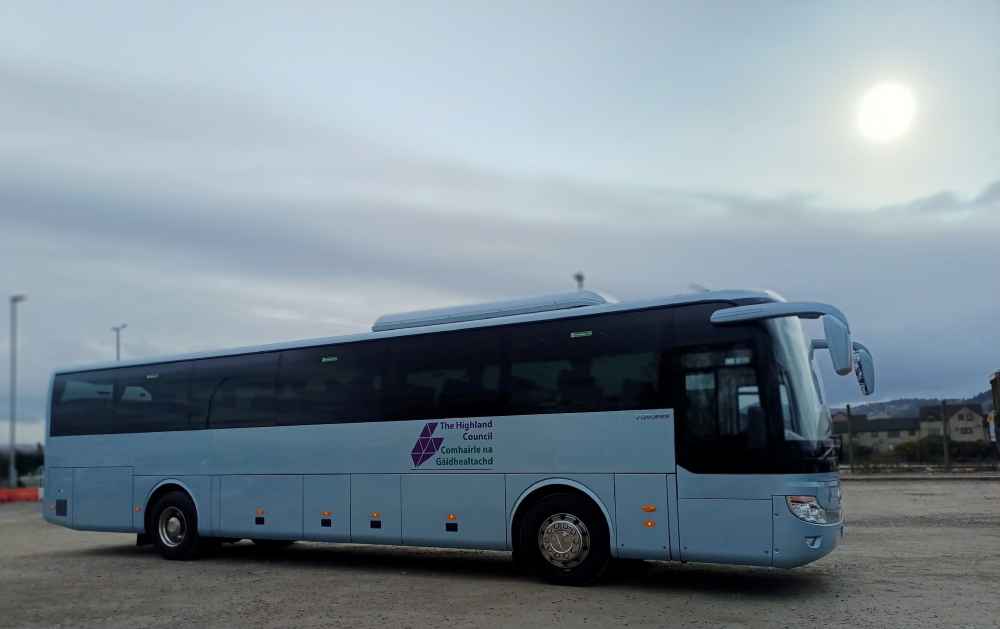
The strategy responds to significant challenges facing public transport in the Highlands, including a shrinking commercial bus network, rising contract costs and changing travel patterns. It builds on recent progress, including expansion of Highland Council-operated bus services and ongoing partnership work such as the development of a Bus Service Improvement Partnership.
At today’s meeting of the Economy and Infrastructure Committee (Thursday 28 May 2026), members agreed all recommendations, taking forward measures to strengthen community transport and modernise future service delivery.
Chair of the Economy and Infrastructure Committee, Cllr Ken Gowans, said: “This is a major step forward for public transport in the Highlands. The strategy sets out a clear and ambitious direction to improve how people travel across our region, while responding to the very real challenges we face.
“By moving forward, we are shaping a transport system that is more reliable, better connected and fit for the future.”
The strategy is structured around five key priorities:
- Improving access and inclusion for all communities
- Creating a more integrated transport network with better connections
- Delivering more direct and reliable bus routes
- Introducing fairer and simpler fares
- Accelerating decarbonisation of the Council’s transport fleet
A strong emphasis is placed on improving connectivity for rural and remote communities, ensuring supporting access to employment, education, healthcare and essential services. The strategy also highlights the importance of expanding flexible and demand-responsive transport options and strengthening support for community transport providers.
Members also agreed proposals to take a more phased and strategic approach to future transport contract renewals, helping to improve service stability and value for money, while maintaining a mix of Council-operated and externally contracted services.
Investment in infrastructure, including bus stops, shelters, mobility hubs and integrated interchanges, is identified as key to improving the passenger experience and encouraging increased use of public transport. The strategy also promotes closer partnership working, including with NHS Highland, to make better use of vehicles and resources.
Officers will now undertake a period of engagement with stakeholders.