Update following Economy and Infrastructure Committee held on 20 August 2026
Councillors have approved the launch of a public consultation on draft guidance aimed at reducing light pollution across the Highlands, supporting environmental protection, public wellbeing and the area's internationally recognised dark skies.
Members of the Economy and Infrastructure Committee yesterday (Thursday 20 August) agreed to publish the draft Reducing Light Pollution: Good Practice Guidance for consultation, once minor clarifications are included, giving residents, communities, businesses and developers the opportunity to help shape future policy.
Dark Skies are measured on the Bortle scale - a nine-level numeric scale that measures the night sky's brightness of a particular location. It characterises the observability of celestial objects, taking into account the interference caused by light pollution.
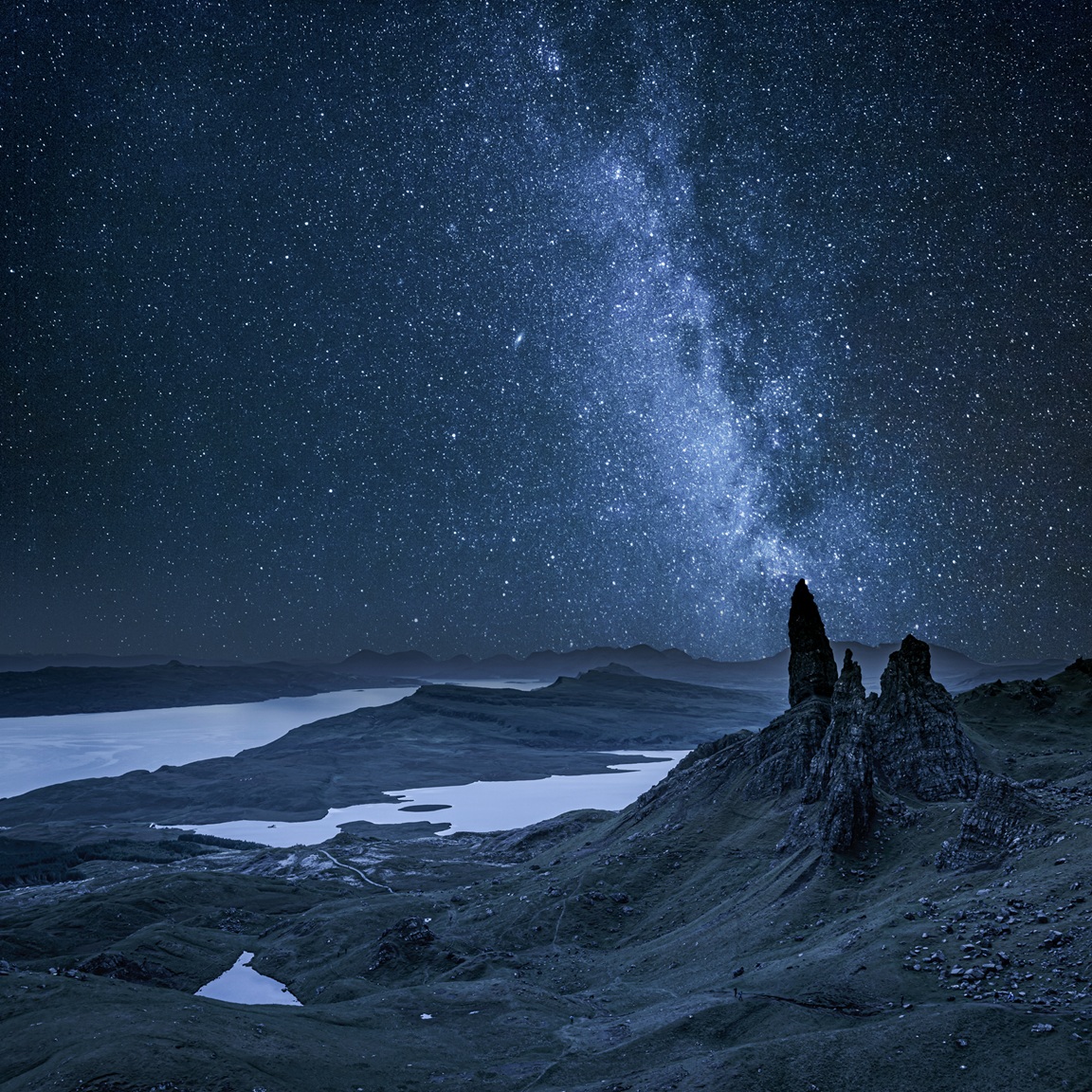
Scotland offers some of the finest stargazing in Europe due to its low population density, vast rural landscapes, and dedicated dark sky places where thousands of stars and the Milky Way are visible to the naked eye. Top dark sky locations in Highland include the Isle of Rum and the UNESCO Flow Country in Caithness.
The guidance encourages the use of outdoor lighting only where necessary and promotes designs that minimise harmful effects such as sky glow, glare and light spillage. It will also form the basis of a future policy within the new Highland Local Development Plan and support communities wishing to pursue Dark Sky Area status.
Chair of the Council’s Economy and Infrastructure Committee, Councillor Ken Gowans, said: "Our Dark Skies are one of our greatest natural assets and play an important role in supporting our environment, biodiversity, communities and visitor economy.
"This draft guidance is about encouraging sensible, responsible lighting while adopting practical measures to help reducing unnecessary light pollution. Small changes such as directing light downwards, reducing brightness levels and limiting operating hours can make a significant difference.
Cllr Gowans added: "Reducing excessive lighting can help protect wildlife, improve people's enjoyment of the night sky, support health and wellbeing, reduce energy consumption and lower carbon emissions. It can also strengthen opportunities for dark sky tourism, particularly in our rural and island communities.
"I would encourage everyone with an interest in the future of Highland's environment and communities to take part in the consultation and share their views. Feedback will help us develop guidance that is practical, effective and reflects the needs and aspirations of people across the Highlands."
The Council's draft guidance has been developed following a committee decision in May 2026 to progress work on reducing light pollution. An Integrated Impact Assessment found the proposals are likely to deliver positive outcomes for climate change, human wellbeing, rural communities and the local economy through reduced energy use and enhanced environmental protection.
Following the decision made by committee today, considerations from the debate today will be included before the consultation is published on the Council’s website. over the coming weeks.
After the six-week consultation period ends, responses will be reviewed and any proposed amendments brought back to Members for consideration before the guidance is finalised.